Alexandra Barracks
Mount Cook
A military presence and gaol had been located on Mount Cook since the 1840s. In 1882 a new gaol was built there. But public opposition to a gaol being located on such a prominent site in the city resulted in it being closed in 1900.
There were various plans to re-purpose the building and site. The public were strongly in favour of the idea to convert it to a new university building for Victoria College (later Victoria University). The architect Thomas Turnbull drew up plans for the conversion and local builder James Barry priced Turnbull’s scheme. Barry’s estimate was £9,000 to create the necessary class and lecture rooms, and to make some modifications to the exterior of the building.
‘With these comparatively simple alterations and additions, the present useless and hideous structure would be converted into the handsome building represented on the block.’ (“A University and Park”, 1900, p6)
The government proposed turning the gaol into military barracks as the land was ‘too valuable to grant for an educational institution’ (it was valued at £60,000). A public meeting led by the mayor, John Aitken, was held at the Opera House for the public to protest against the gaol being repurposed for barracks. Despite much public debate, the government proceeded and spent £7,000 on converting the gaol to barracks.
Prison labour was used to undertake the construction work. The small cell windows were replaced and the cell doors enlarged. Each bedroom would provide 700 cubic feet of space. Cell partitions were removed on the first floor to create a dining hall. This was plastered and painted ‘and fitted up in an ornate manner’. A reading room was also created. The building was renamed the Alexandra Barracks.
During the 1913 Waterfront strike, the barracks housed special constables. Conscientious objectors were held as prisoners in the barracks between 1917 and 1919. It was also used to house unemployed workers in 1930.
In 1931 the barracks were demolished and the Dominion Museum was constructed on the site.
References
(1900, July 18). ‘A University and Park’. New Zealand Times, 6.
(1900, July 30). ‘Local and General’. Evening Post, 4.
(1901, February 5). ‘Mount Cook Site’. Manawatu Standard, 2.
(1901, March 13). ‘Victoria College’. Auckland Star, 2.
https://teara.govt.nz/en/photograph/36765/mt-cook-prison-1896
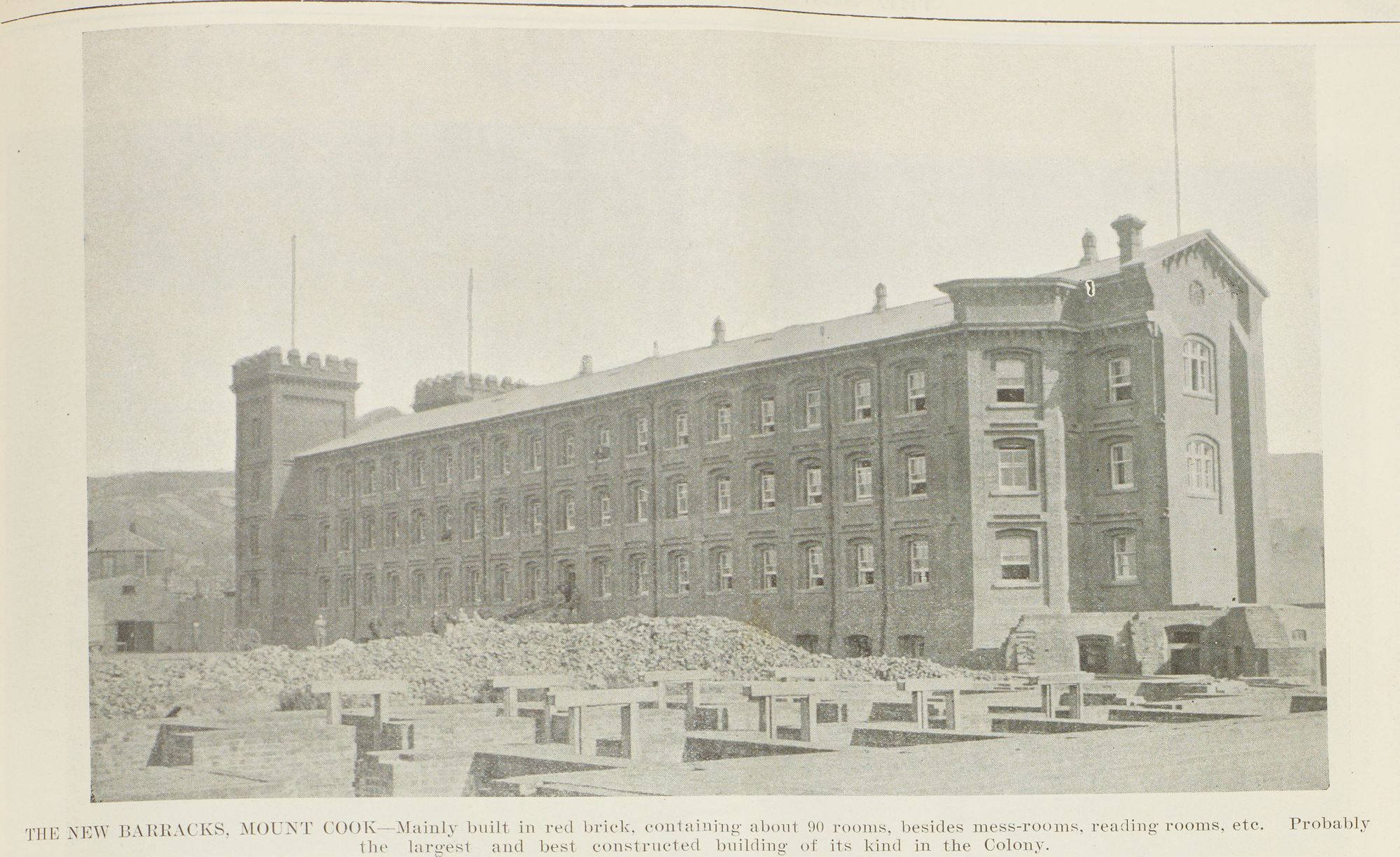
The New Barracks, Mount Cook, 1901. Courtesy of Auckland Libraries Heritage Collections NZG-19011109-0885-01.
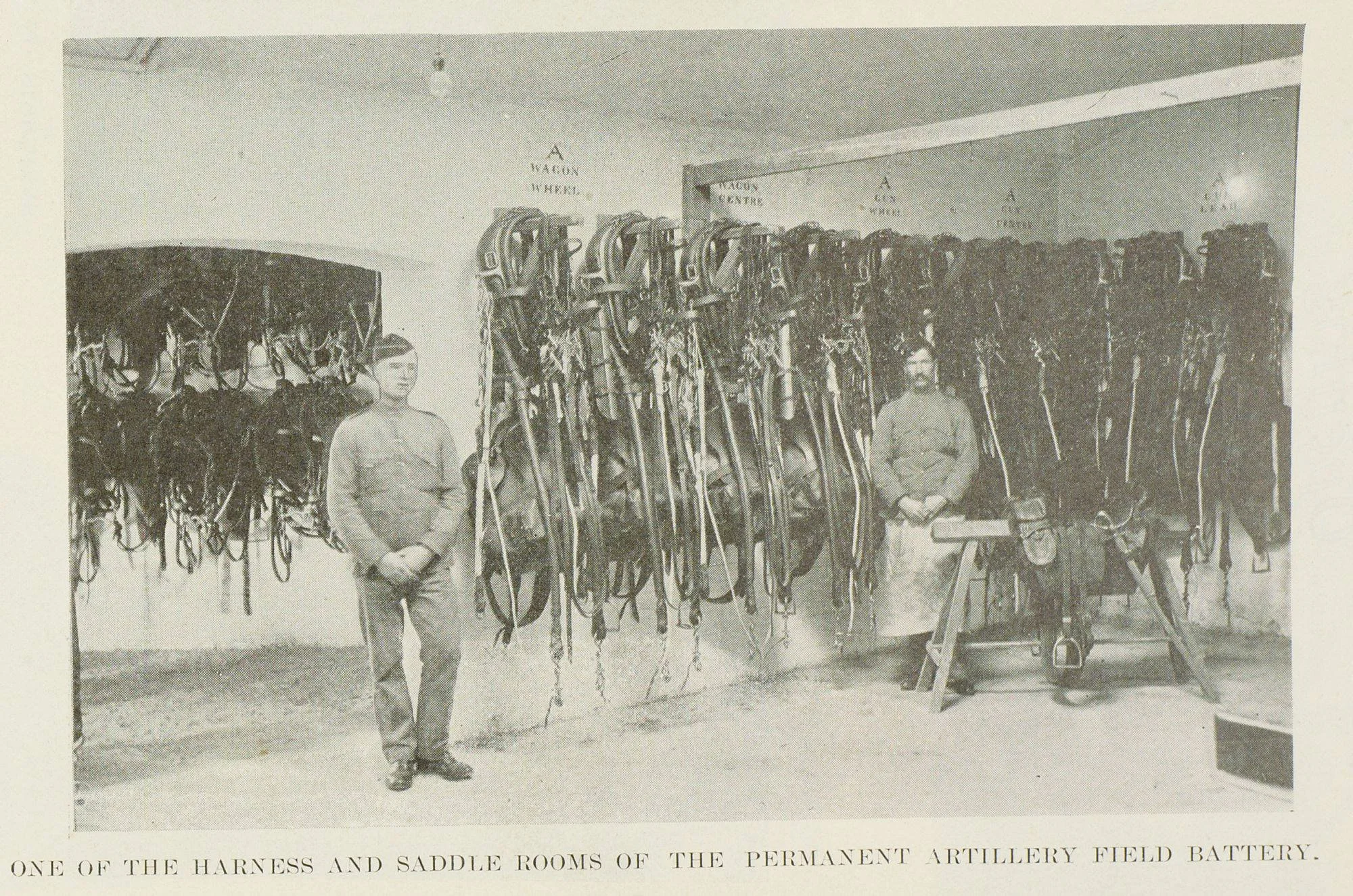
One of the harness and saddle rooms of the permanent Artillery Field Battery at the Mount Cook Barracks in Wellington, 1901. Courtesy of Auckland Libraries Heritage Collections NZG-19011109-0887-04.
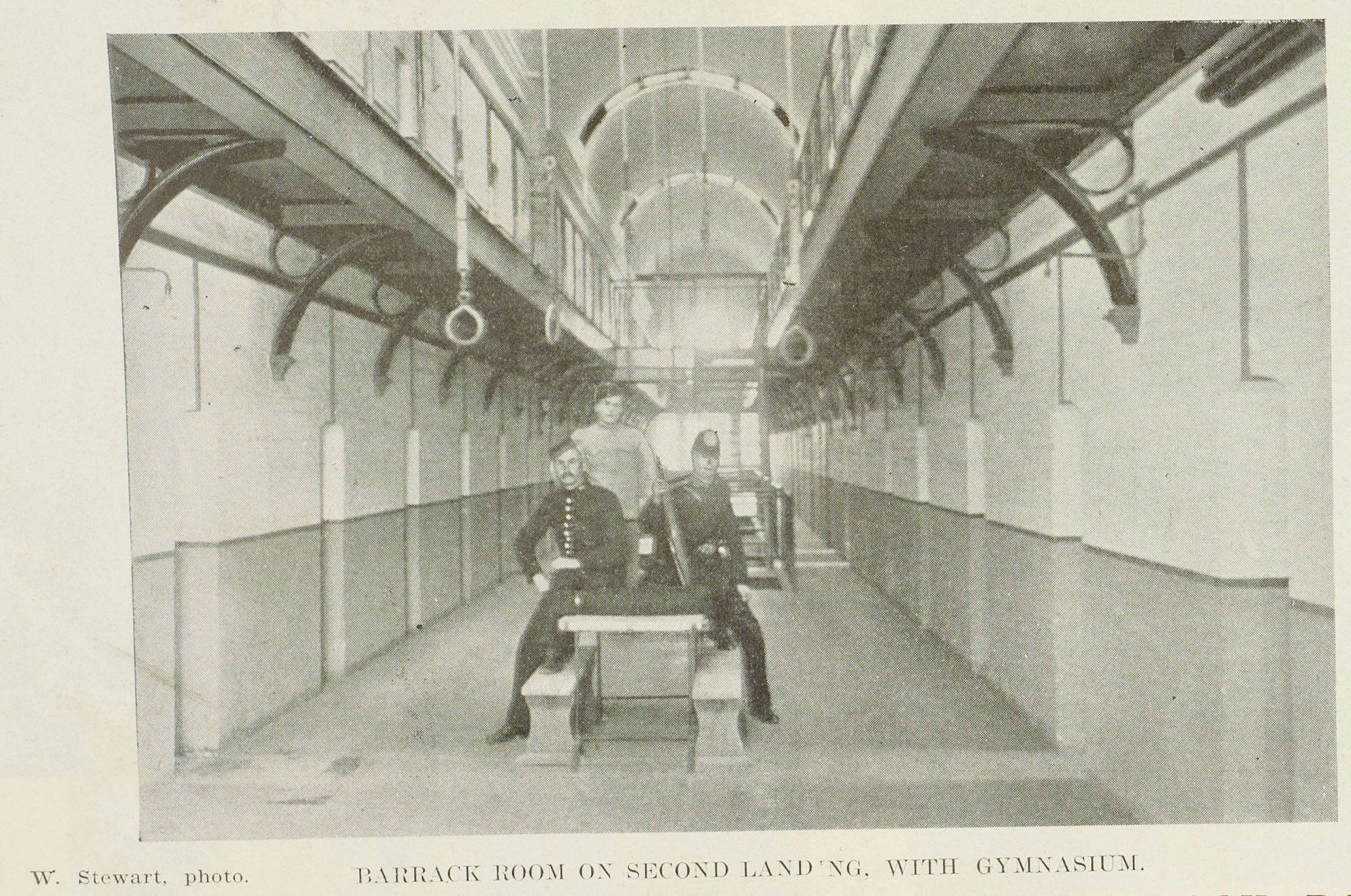
Barrack room on second landing with gymnasium at the Mount Cook Barracks in Wellington, 1901. Courtesy of Auckland Libraries Heritage Collections NZG-19011109-0887-03.
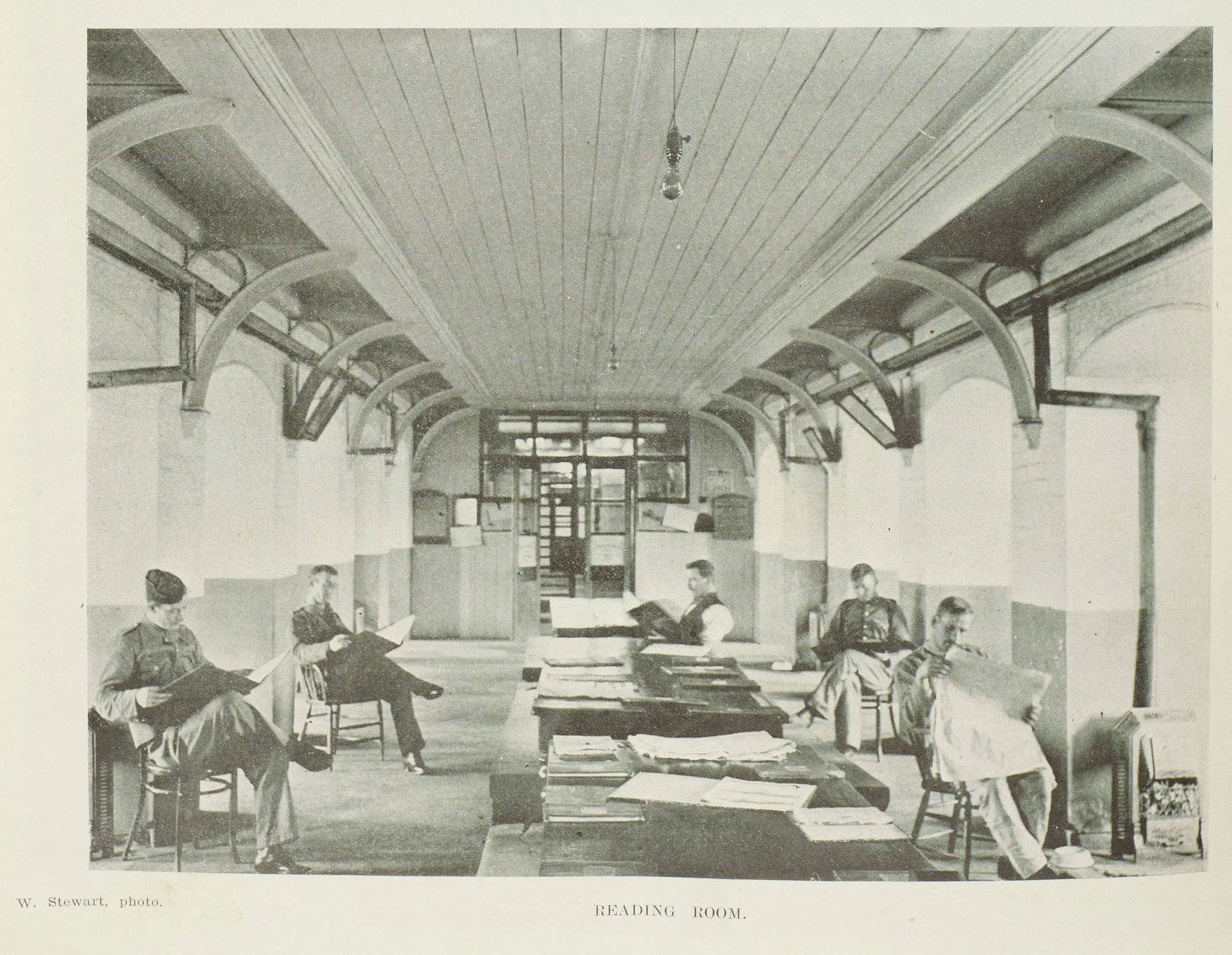
Reading room at the Mount Cook Barracks in Wellington, 1901. Courtesy of Auckland Libraries Heritage Collections NZG-19011109-0886-02.
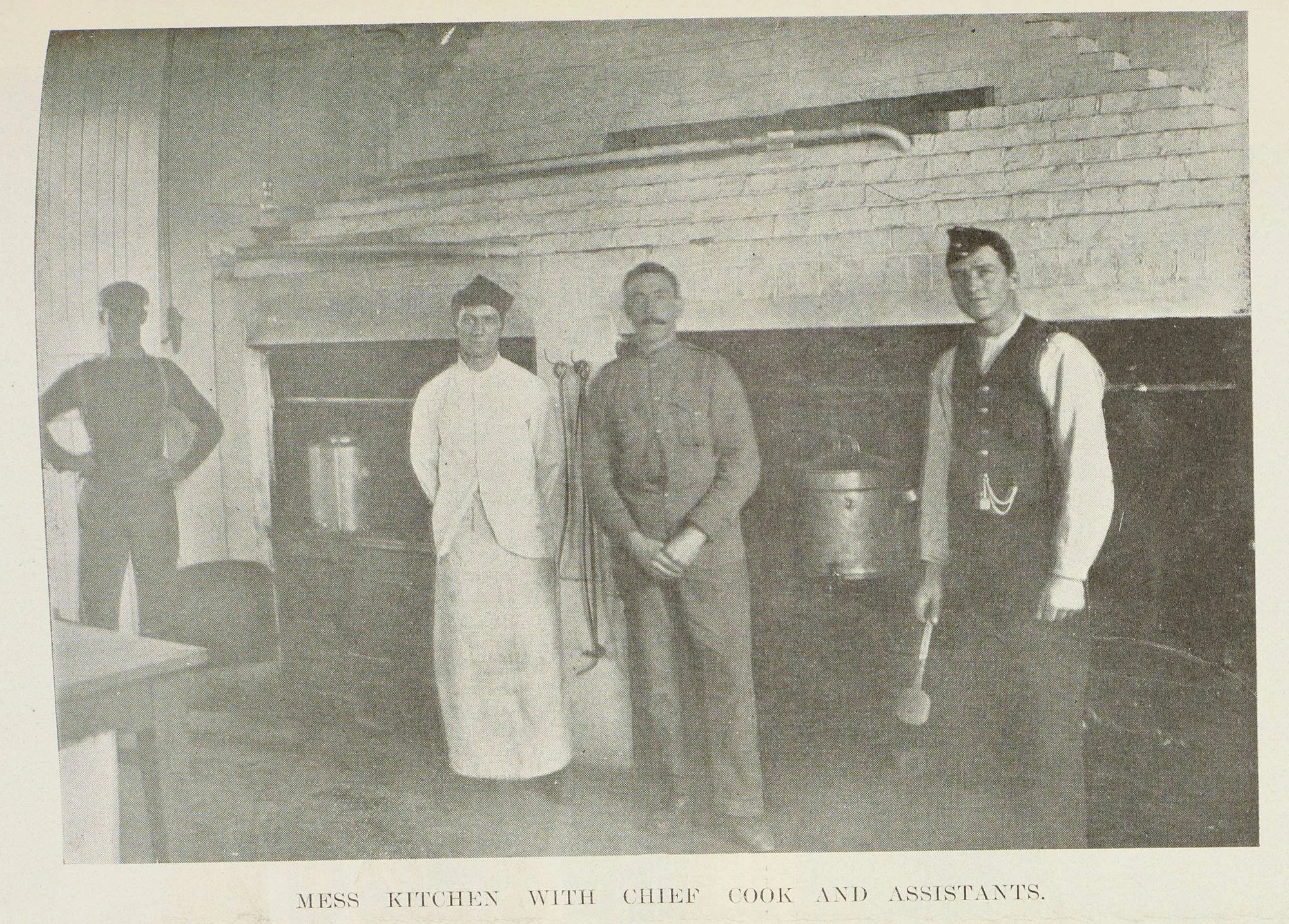
Mess kitchen with the chief cook and assistants at the Mount Cook Barracks in Wellington, 1901. Courtesy of Auckland Libraries Heritage Collections NZG-19011109-0887-01.
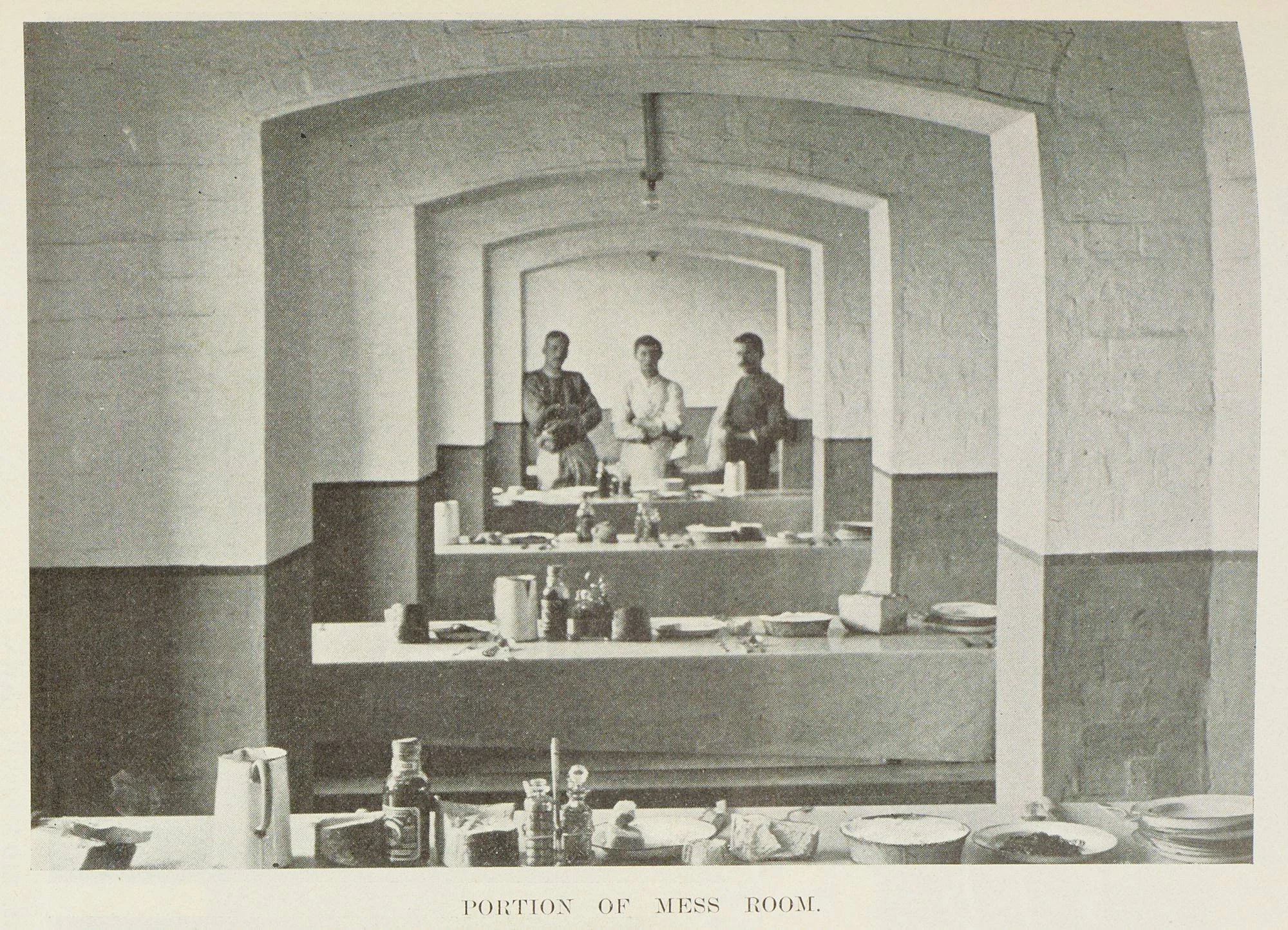
Portion of mess room at the Mount Cook Barracks in Wellington, 1901. Courtesy of Auckland Libraries Heritage Collections NZG-19011109-0887-02.