‘The Maori Carnival’
Basin Reserve 1900
Ngāti Kahungunu and Ngāti Raukawa hosted a day of cultural displays and demonstrations on 28th March 1900 at the Basin Reserve. The two-day event was organised by brothers Taare (Charles) and Hare Parata and Taare’s wife Katherine Te Rongokahira (born Asher) in aid of the ‘More Men’ Fund for the war in South Africa.
The day began with the preparation of a hāngī in the southwest corner of the Basin Reserve. While Mānuka cross pieces were constructed for hanging the pots, women wove flax blades into baskets for the meat and potatoes to cook in. The Gear Meat Company donated a bullock and Mr E.J. Riddiford gave 12 sheep carcasses to be cooked. The ovens were opened occasionally so that the visitors could see inside. Samples of the meal were then served on flax platters for those wanted to try it.
In the morning, samples of goods were on display. Ropata Ngatuere had an exhibit of goods manufactured out of dress-flax, some of which were for sale. In another corner on the Reserve, representatives from Otaki displayed various articles made from Raupō flax and other plants both ‘useful and ornamental.’
The afternoon began with a procession from Government Buildings to the Basin Reserve led by the Papawai Brass Band. On arrival, they were met by an audience of about 7,000. The Hon. James Carroll (Timi Kara) gave a welcome speech and congratulated the participants. Performances were given by a group of 200 who came from the Wairarapa, Manawatu and Hawke’s Bay. Pene Te Uamairangi of Hawke's Bay, Tamahau Mahupuku of Wairarapa and other chiefs gave money and sent men to assist.
They were followed by twenty women and five small girls who performed a poi dance. Mrs K. Kuhurangi was the directress of the group. Other performances included ‘The Absent-Minded Beggar’, was translated into Te Reo and sung. There were several tableaux created re-enacting scenes from history. Tea was then served in a large marquee, directed by Mrs Taare (Katherine) Parata and Mrs Knight.
In the evening, the crowd swelled to 10,000 who came to see more performances under searchlights. The grounds were illuminated with ’20,000 candle-power.’
Special tickets were sold for those wanting to come by train from Palmerston North and the Wairarapa for the festival. The funds raised totalled £526 and over the two days more than 20,000 people attended.
References:
(1900, March 24). Events Worth Noting. Manawatu Standard, 3.
(1900, March 21). Maori Carnival. Evening Post, 6.
(1900, March 24). Notes From Newtown Camp. Evening Post, 5.
(1900, March 28). The Maori Carnival. Evening Post, 6.
(1900, April 5). The Maori Carnival. New Zealand Mail, 49.
(1900, April 12). Proceeds of The Maori Carnival. Nelson Evening Mail, 2.
https://teara.govt.nz/en/biographies/3p6/parata-katherine-te-rongokahira
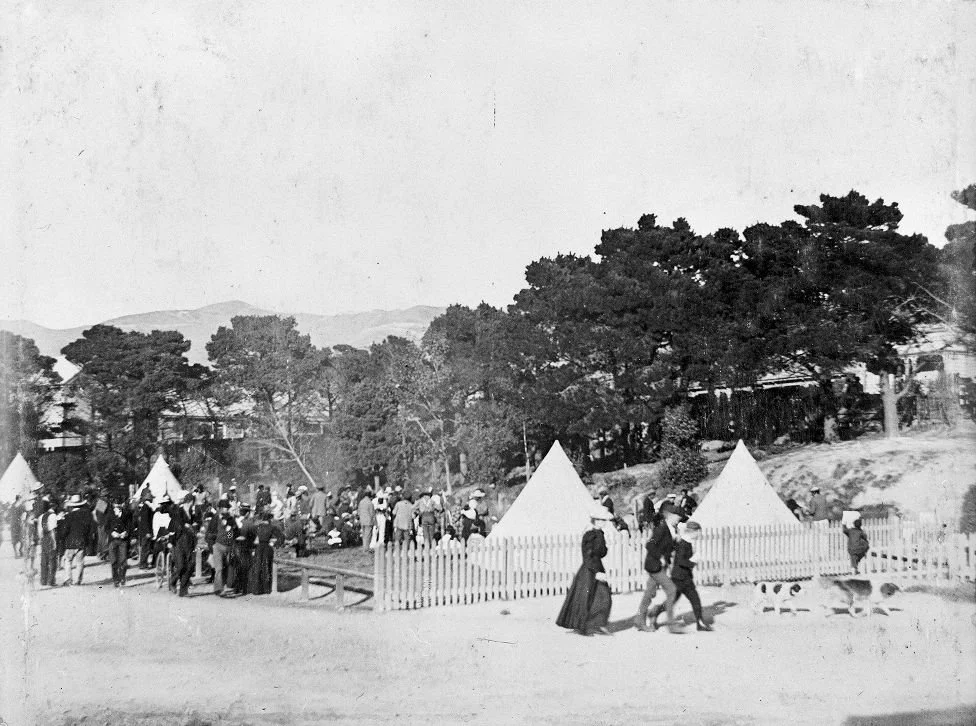
Group of Māori preparing breakfast at the Basin Reserve. Darrall, E :Photograph album with images relating to the Rosenberg family, mainly in Wellington and Napier, 1900. Ref: PA1-o-127-10. Alexander Turnbull Library, Wellington, New Zealand. /records/23178713
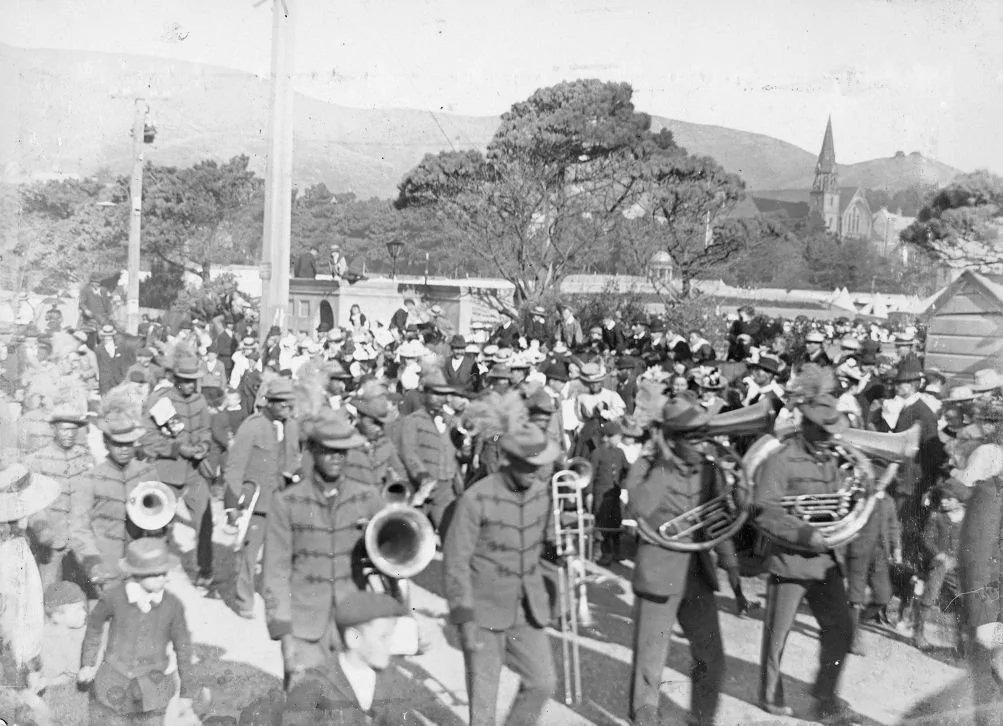
Māori band arriving at the Basin Reserve. Darrall, E :Photograph album with images relating to the Rosenberg family, mainly in Wellington and Napier, 1900. Ref: PA1-o-127-12. Alexander Turnbull Library, Wellington, New Zealand. /records/23030051
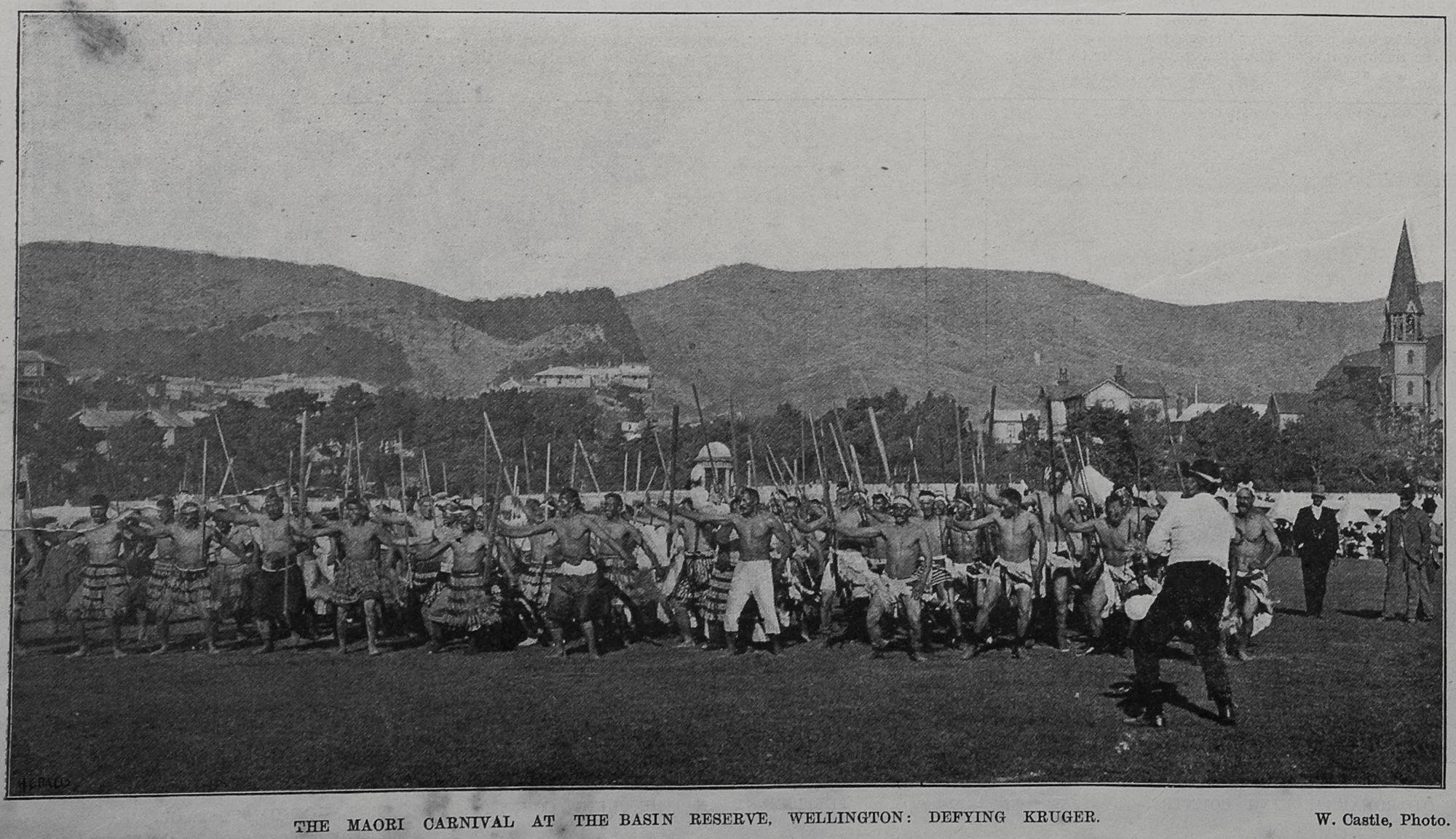
The Maori carnival at the Basin Reserve, Wellington: defying Kruger. Auckland Libraries Heritage Collections AWNS-19000406-06-05.
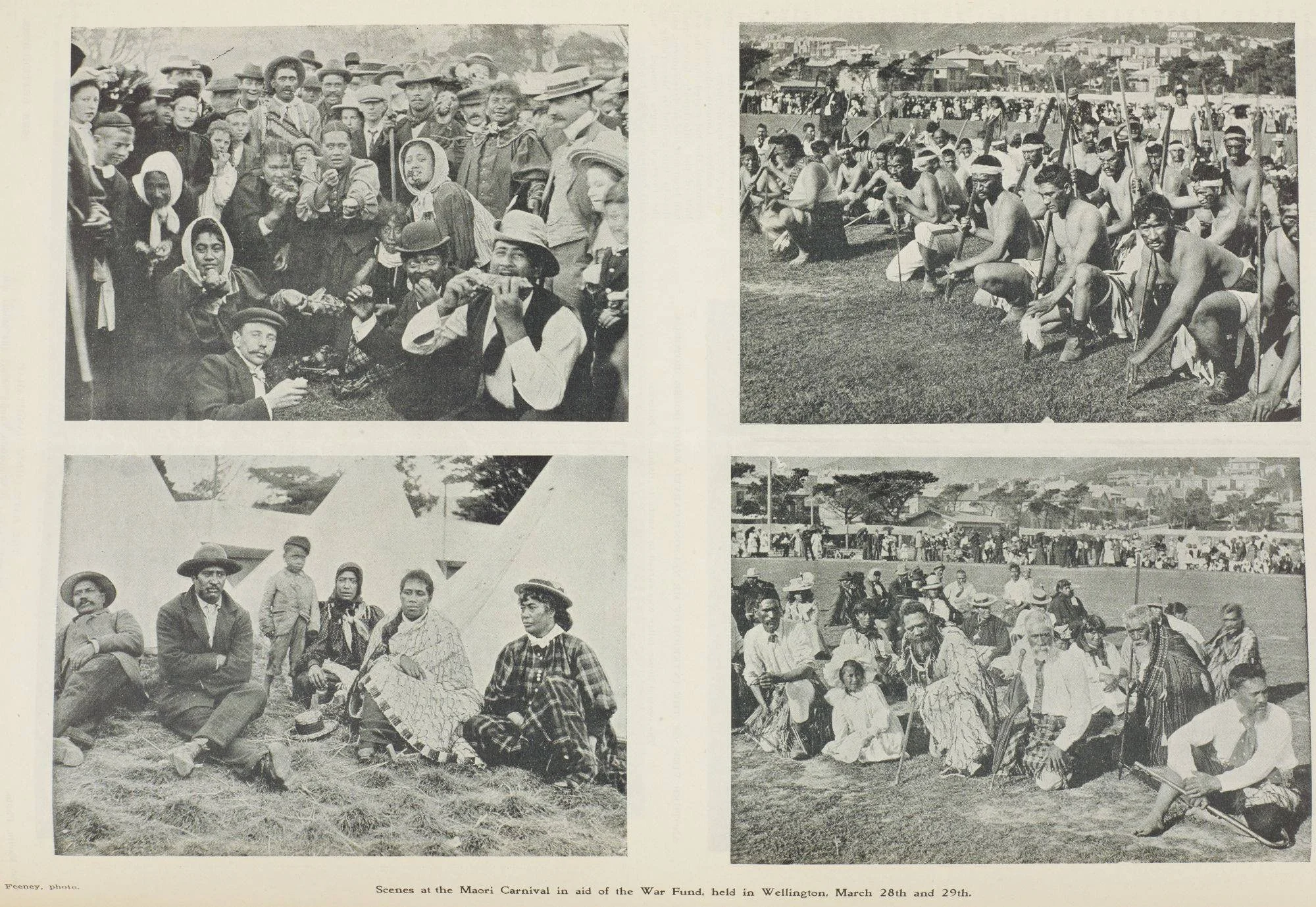
The Māori Carnival, Wellington, New Zealand. Auckland Libraries Heritage Collections NZG-19000414-0692-01
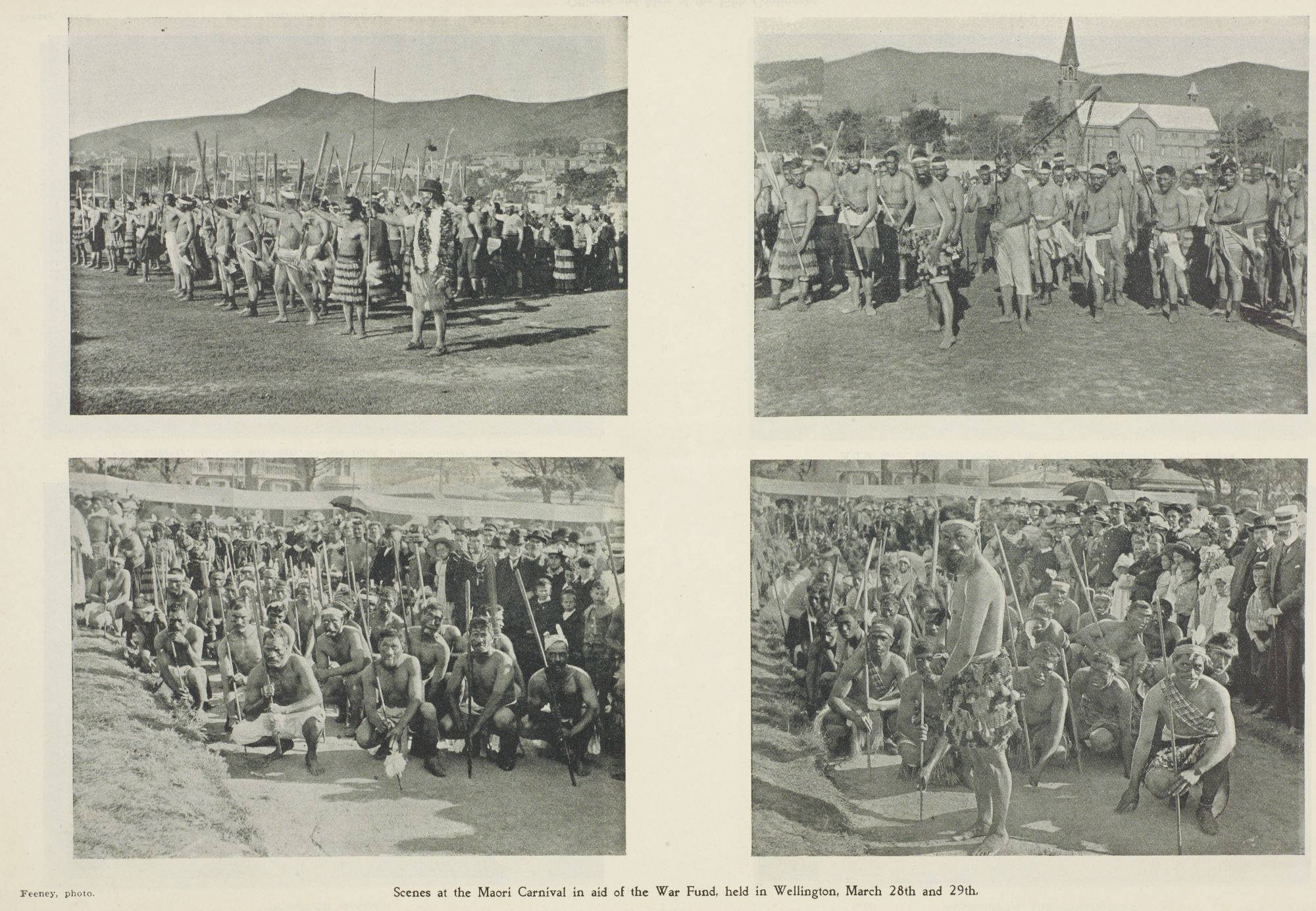
The Māori Carnival, Wellington, New Zealand. Auckland Libraries Heritage Collections NZG-19000414-0693-01